
2026
7 locations unveiled around Ireland.
Read about the meaning behind each location below (under image gallery).
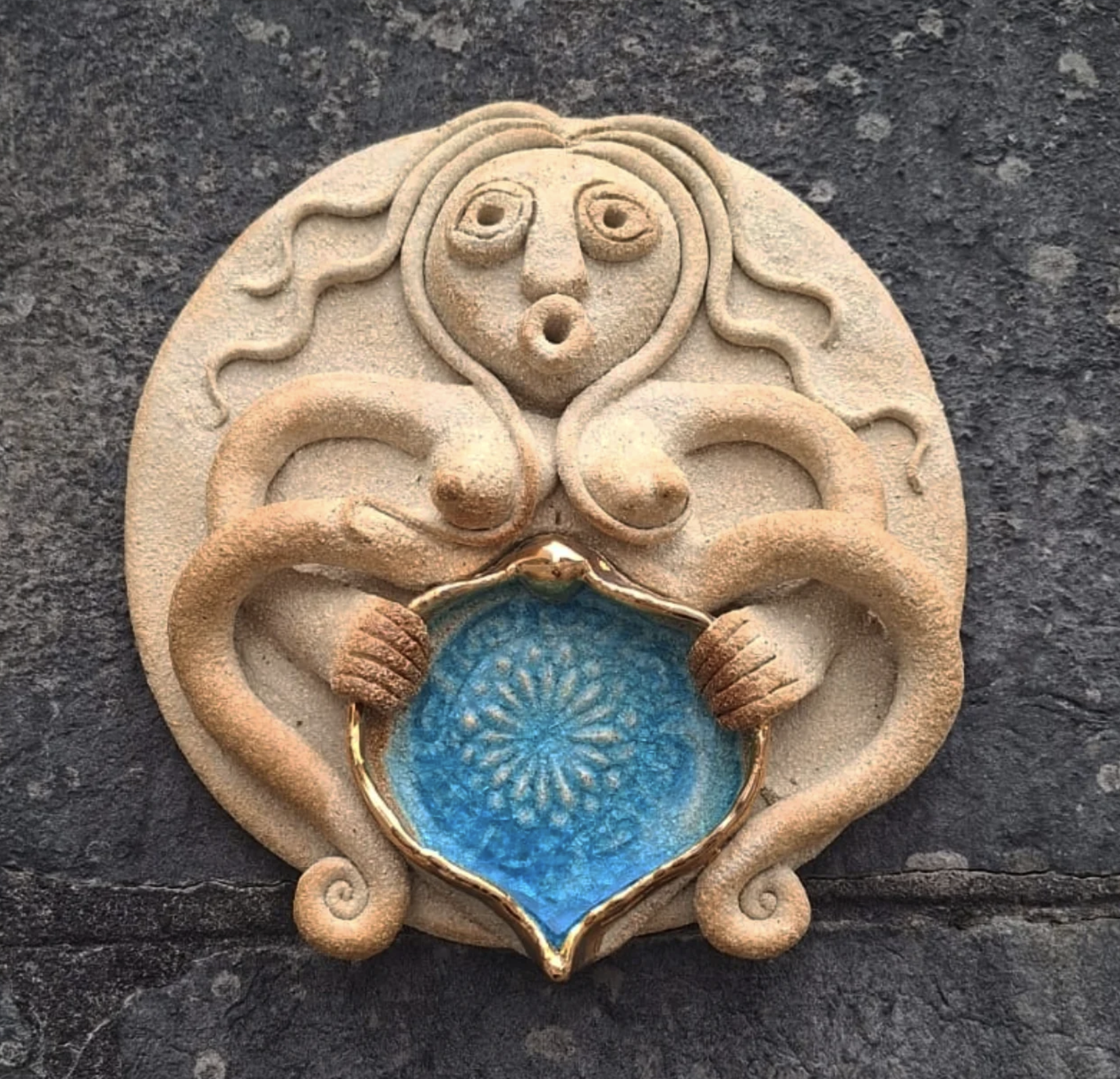
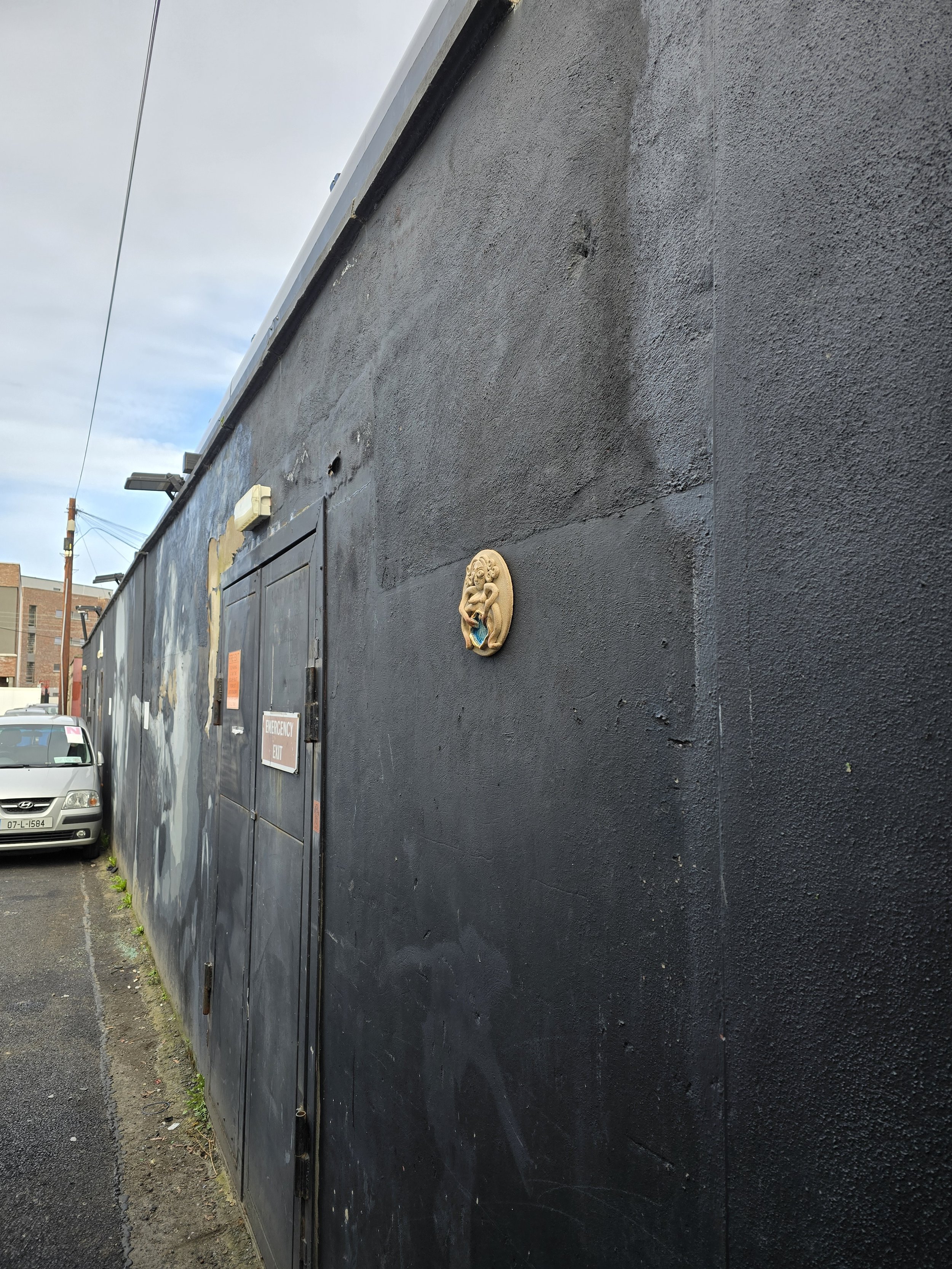
X.Ai Management Company (GROK), Penrose Dock, Cork
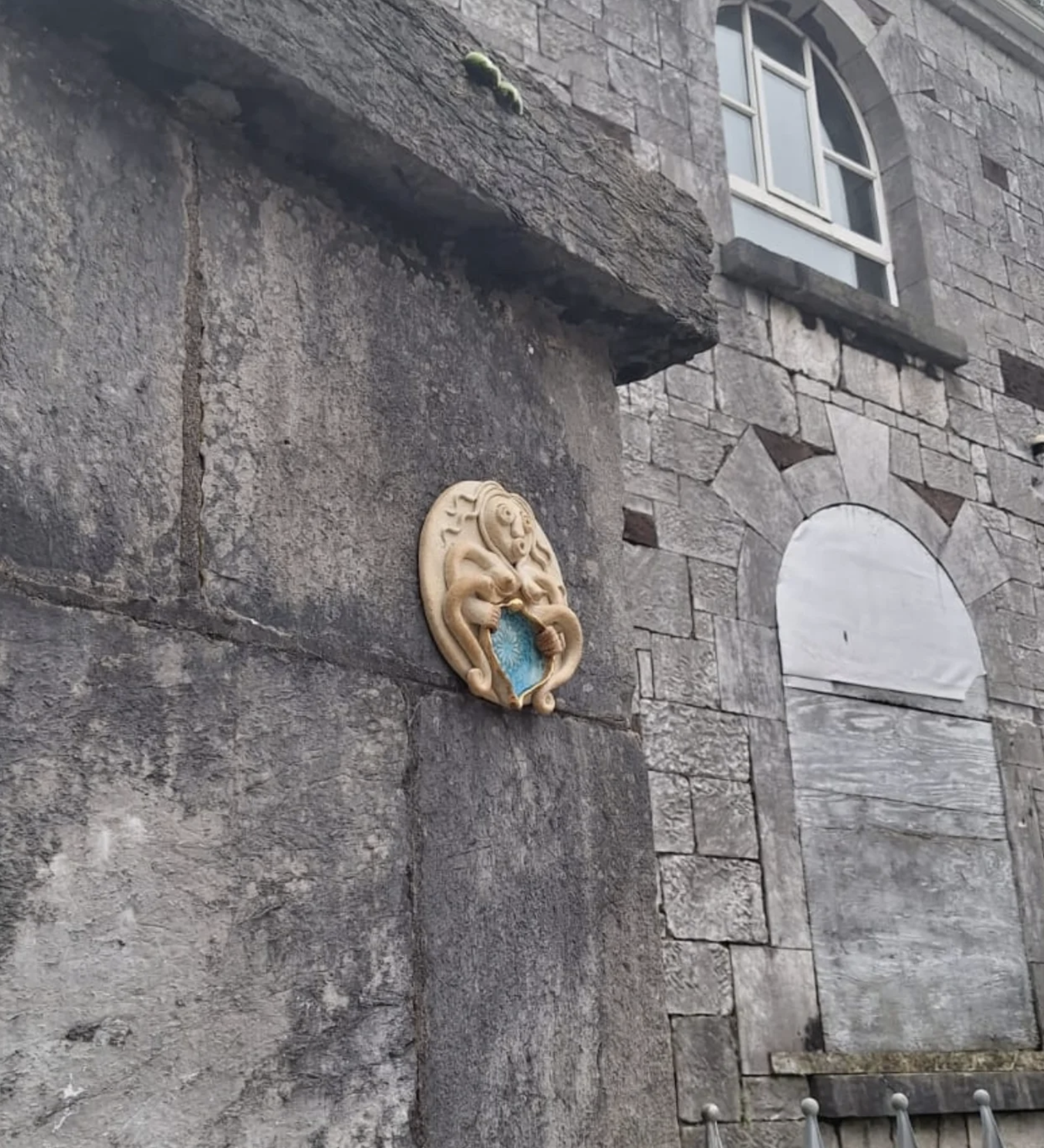
X.Ai Management Company (GROK), Penrose Dock, Cork
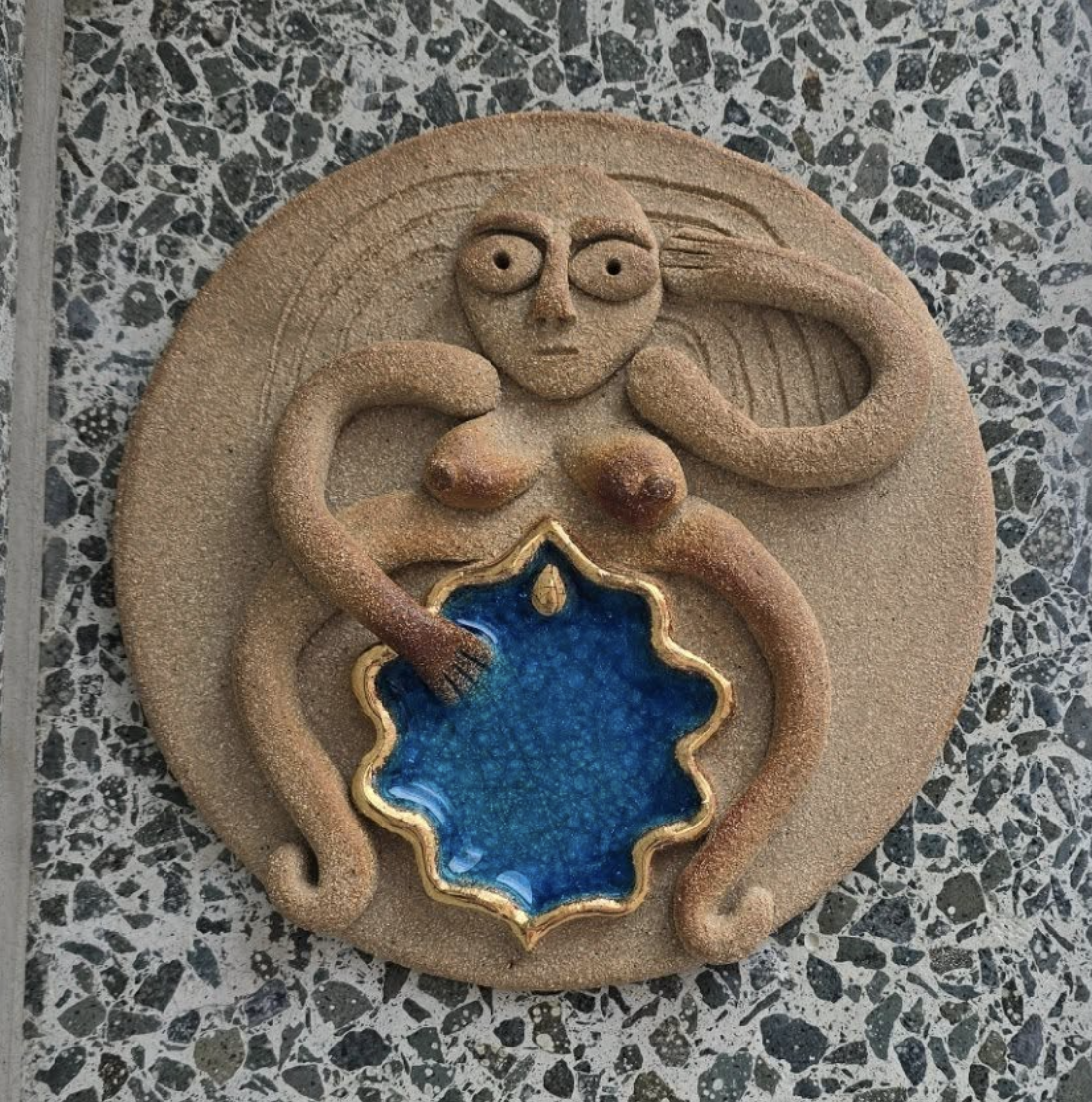
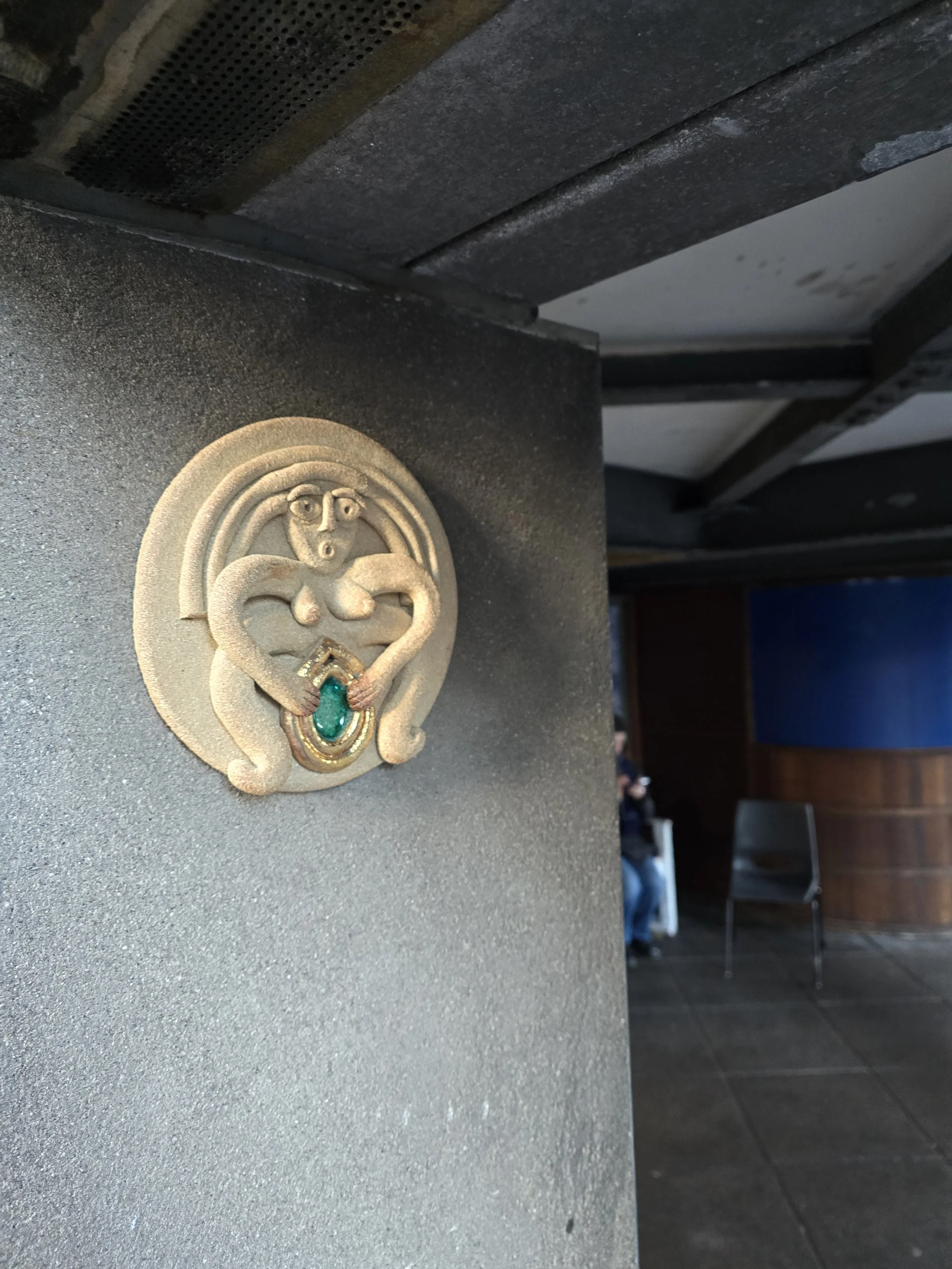
UCD School of Medicine, Dublin
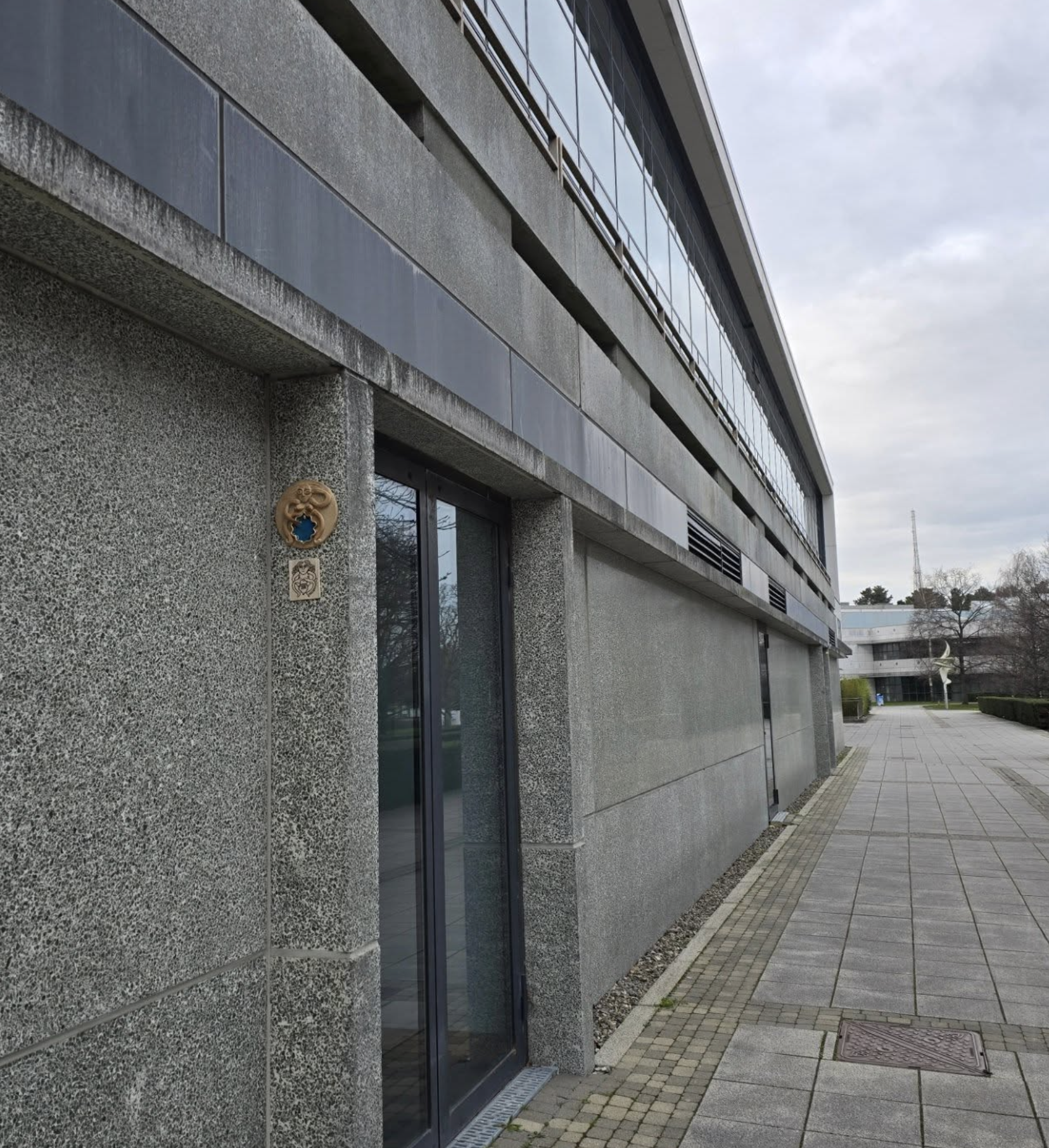
UCD School of Medicine, Dublin
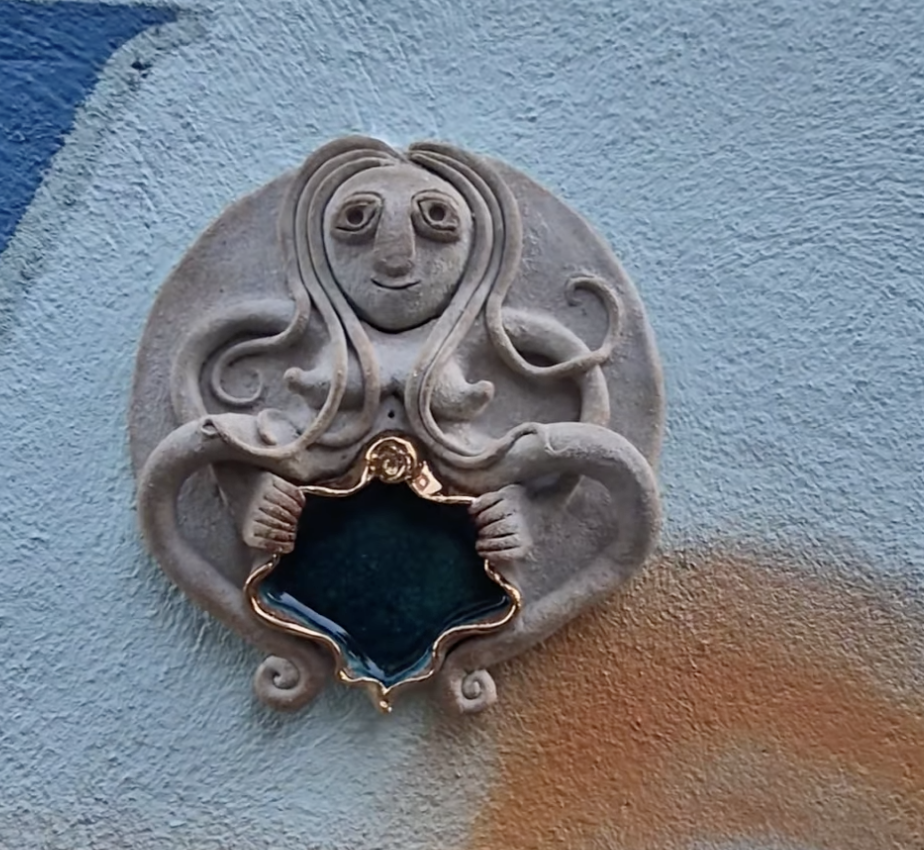
Anne Devlin, The Liberties, Dublin
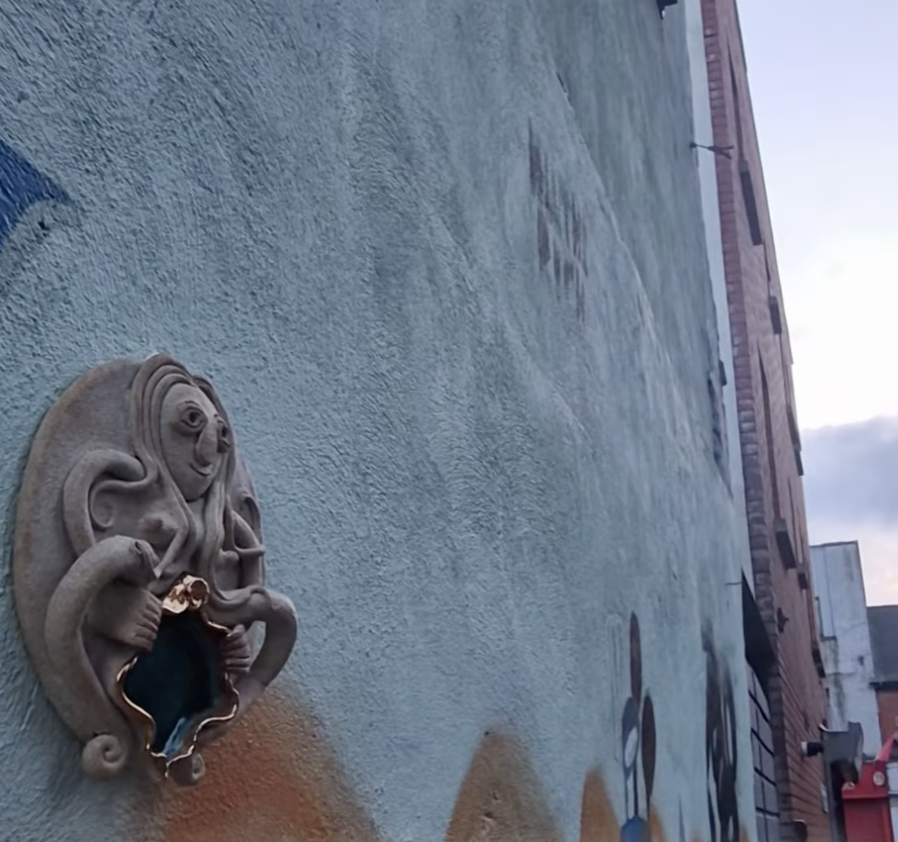
Anne Devlin, The Liberties, Dublin
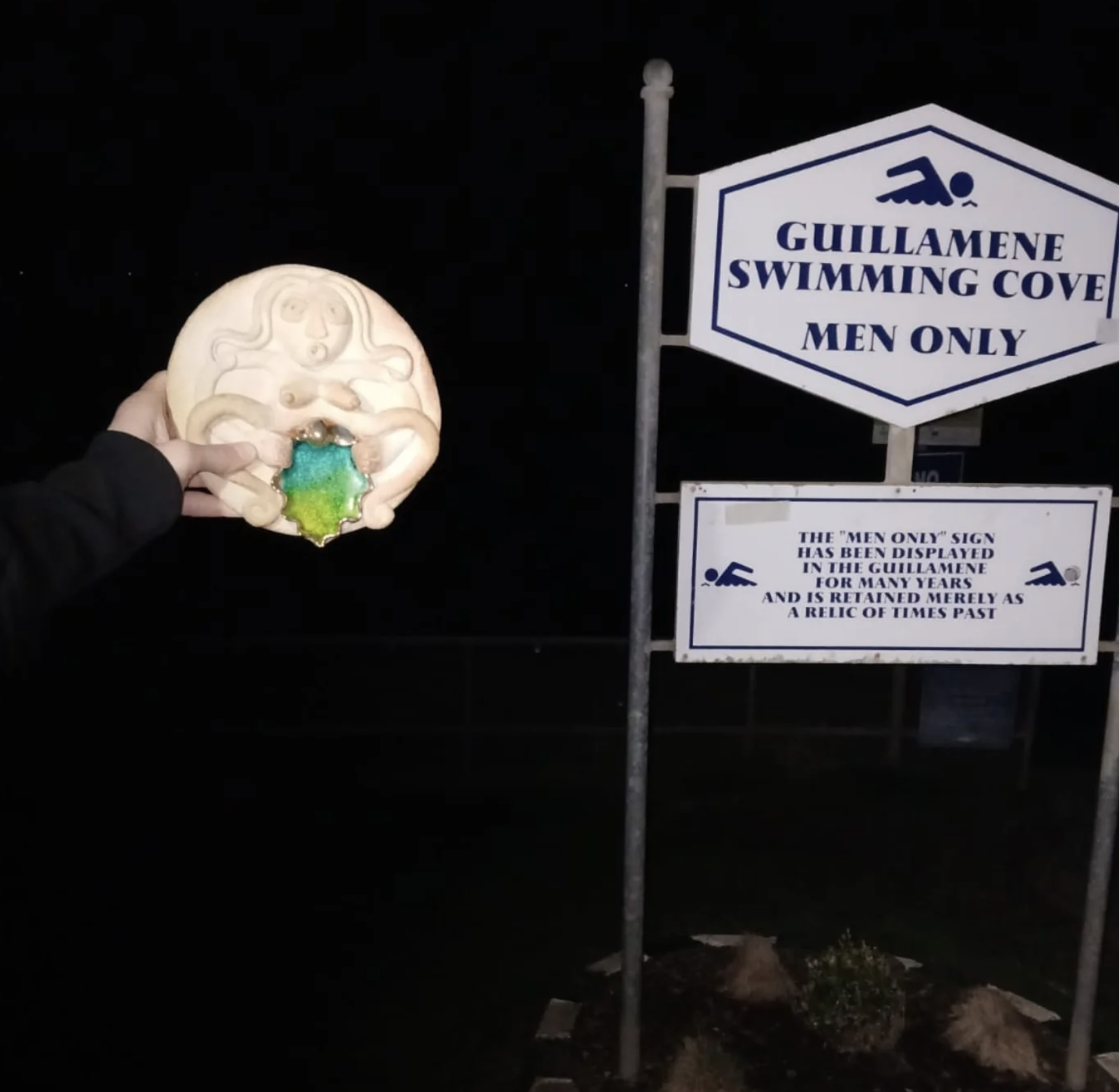
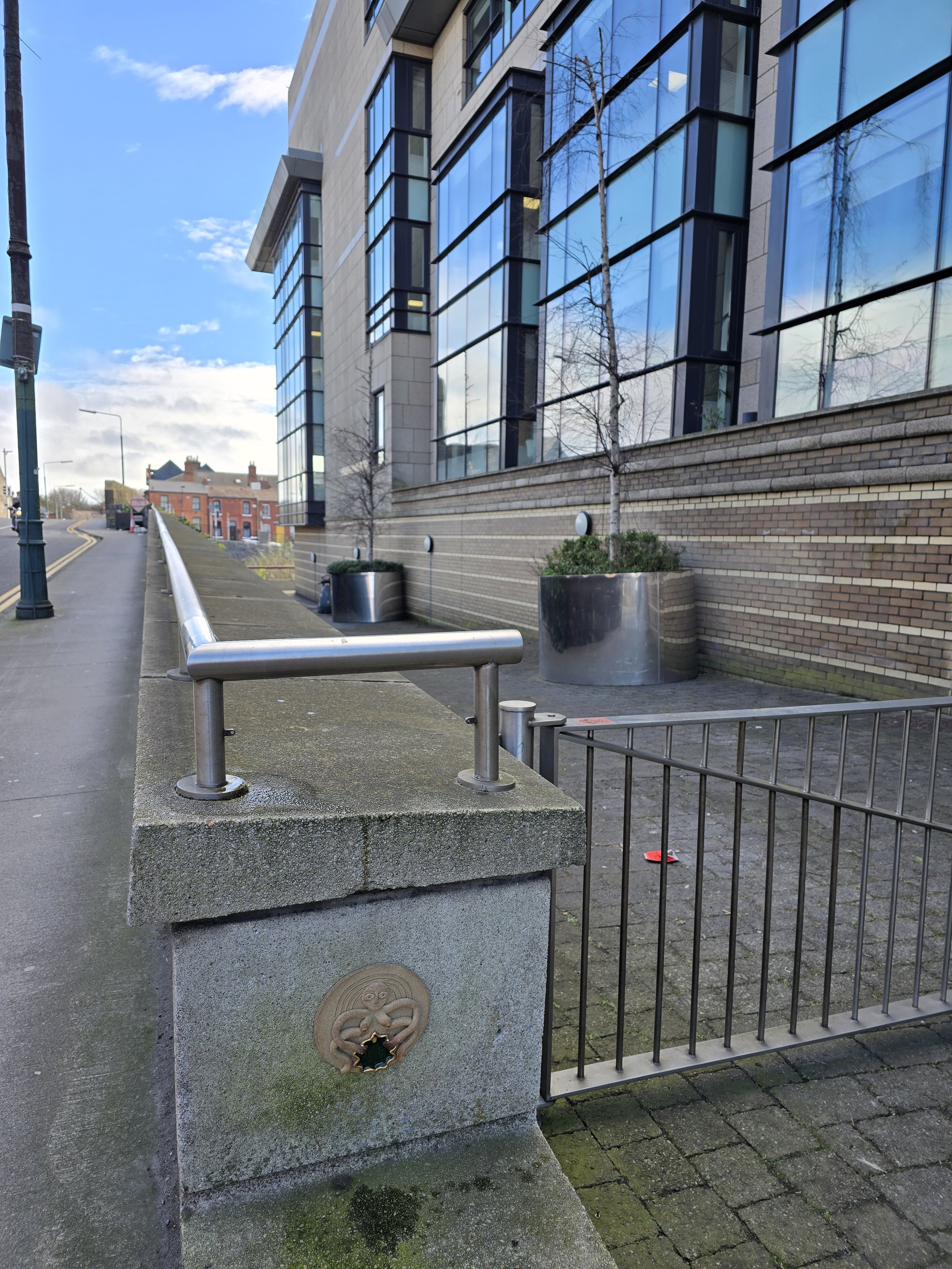
Guillamene Swimming Cove, Tramore, Waterford

Guillamene Swimming Cove, Tramore, Waterford
-
“As AI-generated sexualised images proliferate and app-facilitated abuse spreads, we are sleepwalking into a new age of gender inequality. It is time to regulate properly.”
Laura Bates
In late December, across just nine days, xAI’s Grok tool, owned by Elon Musk, was used to generate millions of non-consensual intimate images of women. The tool instantly granted requests to add bruises, blood and even bullet holes. Racism was intertwined with misogyny: Alexandria Ocasio-Cortez, Zendaya, Cardi B and others were repeatedly targeted, often with requests to lighten their skin. One Jewish woman found an AI image placing her in a bikini outside Auschwitz.
Millions of the images involved child sexual abuse. Just weeks later, Waymo announced its driverless cars would be subject to strict safety tests before being allowed on UK roads, yet AI tools capable of mass harassment, humiliation and psychological harm face no equivalent guardrails.
This is terrorism committed by men against women and girls.
AI does not cause misogyny, but it massively amplifies and accelerates the violence that already exists. If a society values women and girls, it must act with regulation, but also by confronting the deeper cultural roots of this hatred.
Ireland sits at the centre of this conversation. As the European base for major technology companies and a key regulator under EU frameworks, the Irish government plays a decisive role in how AI tools like Grok are governed. Yet while Ireland has positioned itself as a hub for innovation, women and girls continue to bear the costs of technological “progress”. Regulation cannot lag behind harm. If Ireland is serious about safeguarding human rights in the digital age, the mass abuse enabled by AI must be treated as urgently as any other public safety threat.
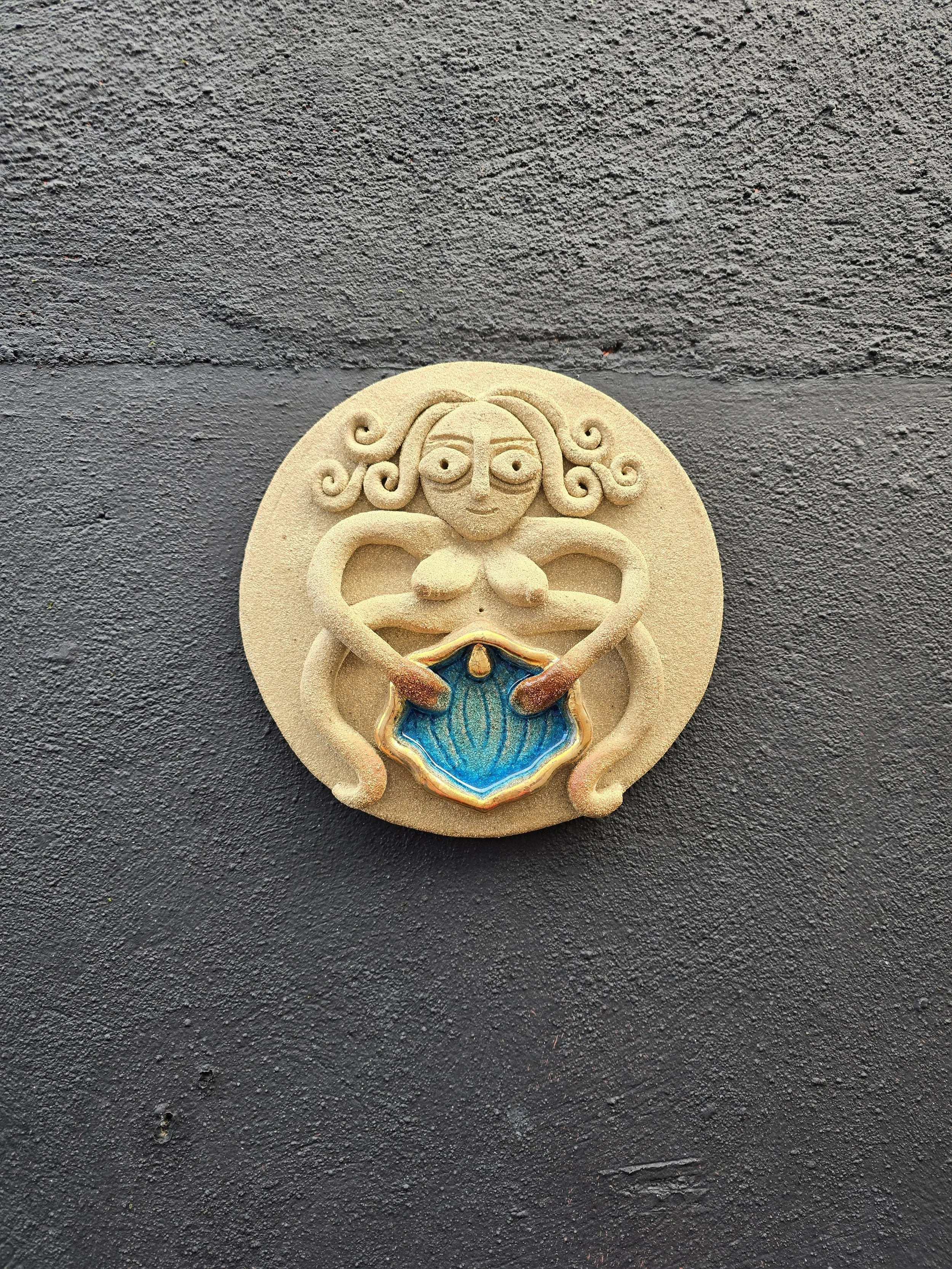
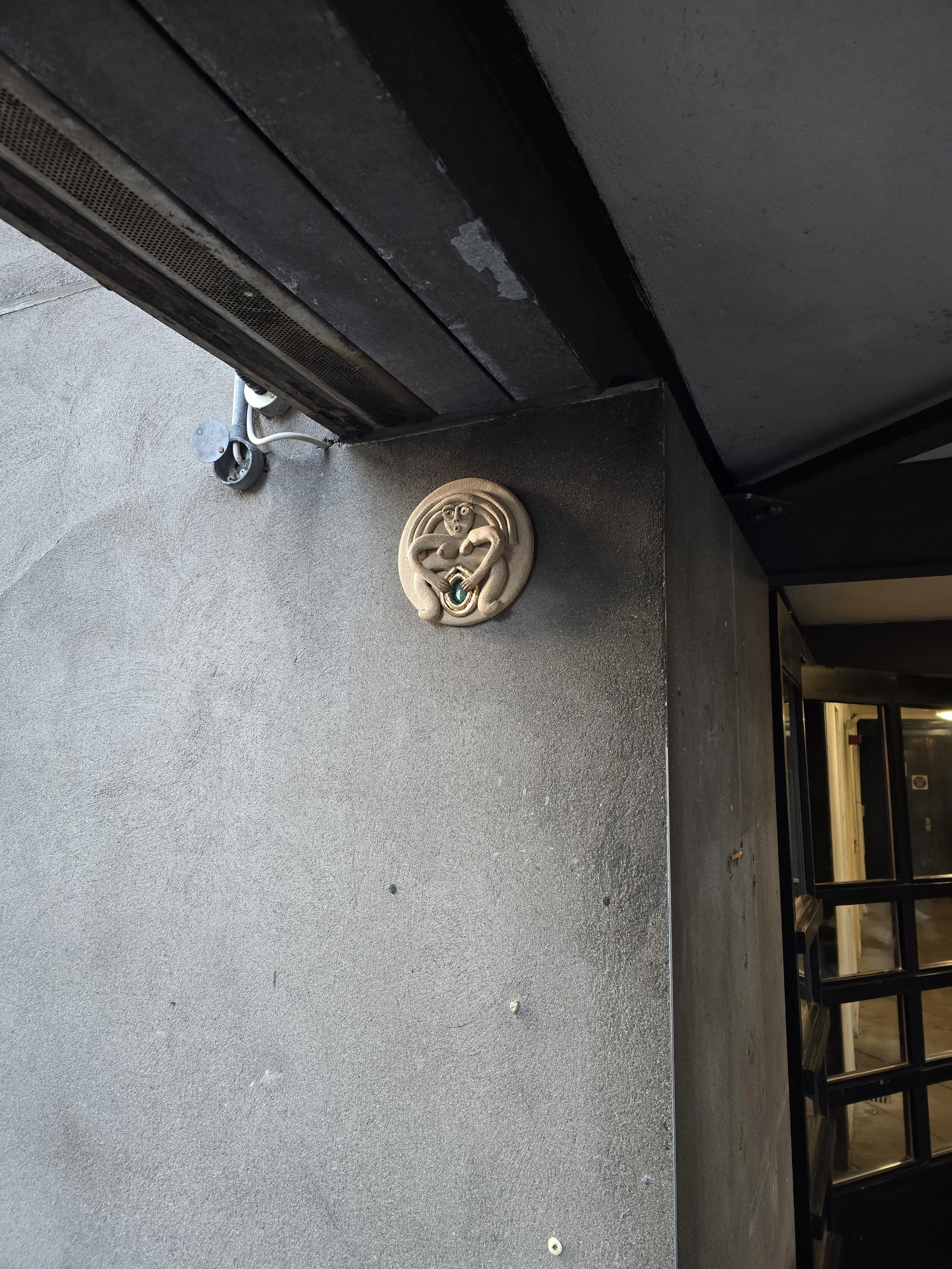
Sheela stands here in defiance of Grok and in solidarity with every woman and girl targeted, erased, exploited or digitally violated. -
Sheela stands in solidarity with the medical student who was a victim of rape and image based sexual abuse during her time at UCD. Sheela holds her hand to her ear as a reminder to all to listen to survivors. The student was drugged, raped and had unknowingly had images of her taken after the asault, bruised and unconscious. These images were shared anonymously to all UCD staff via email and later to students via WhatsApp. The emails included abusive language and derogatory comments about the survivors appearance. The messages suggested she should take her own life and used slurs that were deeply distressing. The survivor later received an image of her abuse sent directly to her own UCD email address several months later. The emails were sent from a ProtonMail account, a paid-for encrypted email service that makes tracing senders difficult.
The survivor took High Court proceedings against UCD to allow her to progress in her studies after missing exams due to the rape which had resulted in an unwanted pregnancy that had to be terminated. Despite all the survivor had been through, the court found in favour of the university. UCD's actions during all of this have proved they are more concerned with their reputation than they are about the wellbeing of this student.
Last week, UCD students union held a protest at UCD, calling out the colleges handling of the case, to which thousands attended in solidarity with the survivor.
One of the most horrifying aspects of this case is that the rapist is also a medical student and has been able to continue their studies unimpeded. This person can not be allowed to become a doctor, to be around people at their most vulnerable, to have access to drugs and access to unconscious people. The gardaí investigation is still underway, sheela asks for speedy justice in this case, both in putting the survivors life back on track and ensuring the safety of others in UCD and all those who may come in contact with this predator in the future.
Sheela asks that we listen to survivors. -
''For 48 years you protected the spinal chord of Nationalism that eventually led to the Republic we now enjoy.''
Mícheál Ó Doibhilín
Anne Devlin (1780–1851) was an Irish republican born in County Wicklow. She later worked in Dublin as housekeeper to Robert Emmet, becoming deeply involved in the network supporting Emmet’s planned rebellion of 1803 against British rule.
Devlin played a vital role in the revolutionary organisation. Her work included carrying messages between rebels, hiding weapons, maintaining communication, and helping coordinate activity within the clandestine network that sustained the uprising.
When the rebellion failed, British authorities arrested her and imprisoned her in Kilmainham Gaol after she refused an enormous bribe. There, she was brutally interrogated and tortured in an attempt to force her to reveal the names of other rebels. Despite severe beatings, the imprisonment of members of her family and the death of her little brother in a nearby cell, she refused to betray her comrades. Her silence protected many involved in the uprising.
later life in extreme poverty, receiving little recognition for her courage and sacrifice. She died of starvation ('want') at her home in a tenement building in the Liberties.
Her story reveals how revolutionary movements relied on the often invisible labour of women. They sheltered fugitives, gathered intelligence, carried messages, concealed weapons, organised communication, and maintained the networks that allowed resistance to survive. Much of this work took place in domestic spaces and went unrecorded, leaving women largely absent from official histories of Irish nationalism.
Devlin kept alive Robert Emmet’s dream and made possible the Irish Republic, which exists today, at a personal cost unrivalled by any other in history.
This Sheela commemorates the political courage of Devlin and the many women whose contributions to Irish resistance were long overlooked, but are now slowly gaining recognition. -
For much of the twentieth century, the Guillamene was officially designated “Men Only.” A sign at the entrance to the cove made the rule explicit, and local custom reinforced it. The space functioned as a male bathing area where men could swim, sunbathe and socialise without women present.
Women and children were expected to swim instead at Newtown Cove, a smaller and more sheltered beach further along the cliffs. This separation reflected older ideas about modesty, control, public morality and gendered behaviour in shared spaces. Mixed bathing had once been considered “improper” in many coastal towns, and although those attitudes gradually softened elsewhere, the tradition persisted in Tramore long after it had faded in most places.
Ireland had very few women-only beaches compared to men-only ones. Men were granted exclusive access to water for recreation. Women’s access was restricted and supervised. It was less about safety and more about discipline and surveillance. These sensibilities were rooted in Victorian British moral codes and Catholic ideas of modesty.
The restriction remained in place until the early 1980s. Its end did not come through an official policy change but through a quiet act of defiance. A group of local women simply went down to the Guillamene and swam there, challenging the long-standing rule. Once women entered the water, the custom quickly collapsed. The “Men Only” designation lost its force, and the cove opened informally to everyone. They did not wait for permission. They stopped asking.
Today, the old sign remains as a reminder of that history. The Guillamene and Newtown are now shared swimming spots, but the memory of the men-only cove shows how recently public space was governed by rules about who was and was not allowed to enter it.
Sheela stands here as a reminder of that struggle, and that access to public space remains a feminist issue. -
Location 5: Pfizer Europe, Dublin. This sheela stands against the inequalities in our pharmaceutical industry, both in the access to much needed medication and in the research/trial stages of new drugs. Research indicates that women are often underrepresented in clinical trials, leading to a "male-as-norm" bias in medication development, testing, and dosage. Historically, this has resulted in higher risks of adverse drug reactions for women, as many medications were designed based on male physiology. Addressing this gap is critical, as studies show that sex-based analysis is often missing, even when medications affect women and men differently.
Conditions that primarily affect women, such as endometriosis, have historically received insufficient research funding, leading to delayed diagnosis and treatment.
Nearly two-thirds of women report experiencing gender bias in healthcare, particularly regarding chronic pain and reproductive health, which can lead to inappropriate treatment or neglect.
Research on Hormone Replacement Therapy (HRT) has historically been limited, flawed, or misunderstood, leading to decades of "data-free" decisions and unnecessary fear following the flawed 2002 Women's Health Initiative study. Global investment in menopause science remains low, leaving many questions unanswered regarding the long-term effects of medications.
Studies on several male hormonal contraceptive methods, including pill and injection trials, were halted or when side effects—such as acne, weight gain, mood changes, and decreased libido—were deemed unacceptable by safety committees. These side effects were largely considered comparable to those experienced by women on hormonal contraceptives, leading to significant public debate about gender bias in medical research and the tolerance of risk.
Here in Ireland access to cariban a drug for severe pregnacy nausea has been particularly difficult to access and costly, but due to rigorous campaigning is now available under the drug payment scheme, it still requires a prescription. The drug that can make life liveable again for many pregnant women is over the counter in many EU countries. Without government assistance cariban can cost up to €300 per month. In Ireland, you can access Viagra (used to treat male erectile dysfunction) without a prescription directly from all pharmacies, it costs about €45 for a pack of 8. This is a striking example about how male pleasure is valued above the curing of womens pain in the pharmaceutical industry. Progress has been made with cariban largely due to the hard work of Hyperemesis Ireland. So much more needs to be done about these inequalities. Sheela demands equity.
-
Location 6: The Black Forge Pub, Dublin 12. This sheela stands in gratitide to honour the resistance and victory of Nikita Hand over her rapist Conor McGregor. To all survivors of rape, sexual abuse we are with you. We understand that with the release of the Epstein files and so little accountability for the pedophiles contained within them, it can seem like a dark time, it is not. We are finally starting to shed the light on the crimes protected by the patriarchal system and it is the beginning of a reckoning and a new era of matriarchy. We will no longer allow men with money and power to abuse our women and our children. Nikita, thank you for making a stand not only against your rapist but against toxic masculinity and the rape culture it perpetuates. We know taking this stand came with huge personal cost to you, we thank you, it is women like you that pave the way to a brighter future and we celebrate your victories and wish you only the best.
Grá mór Nikita
-
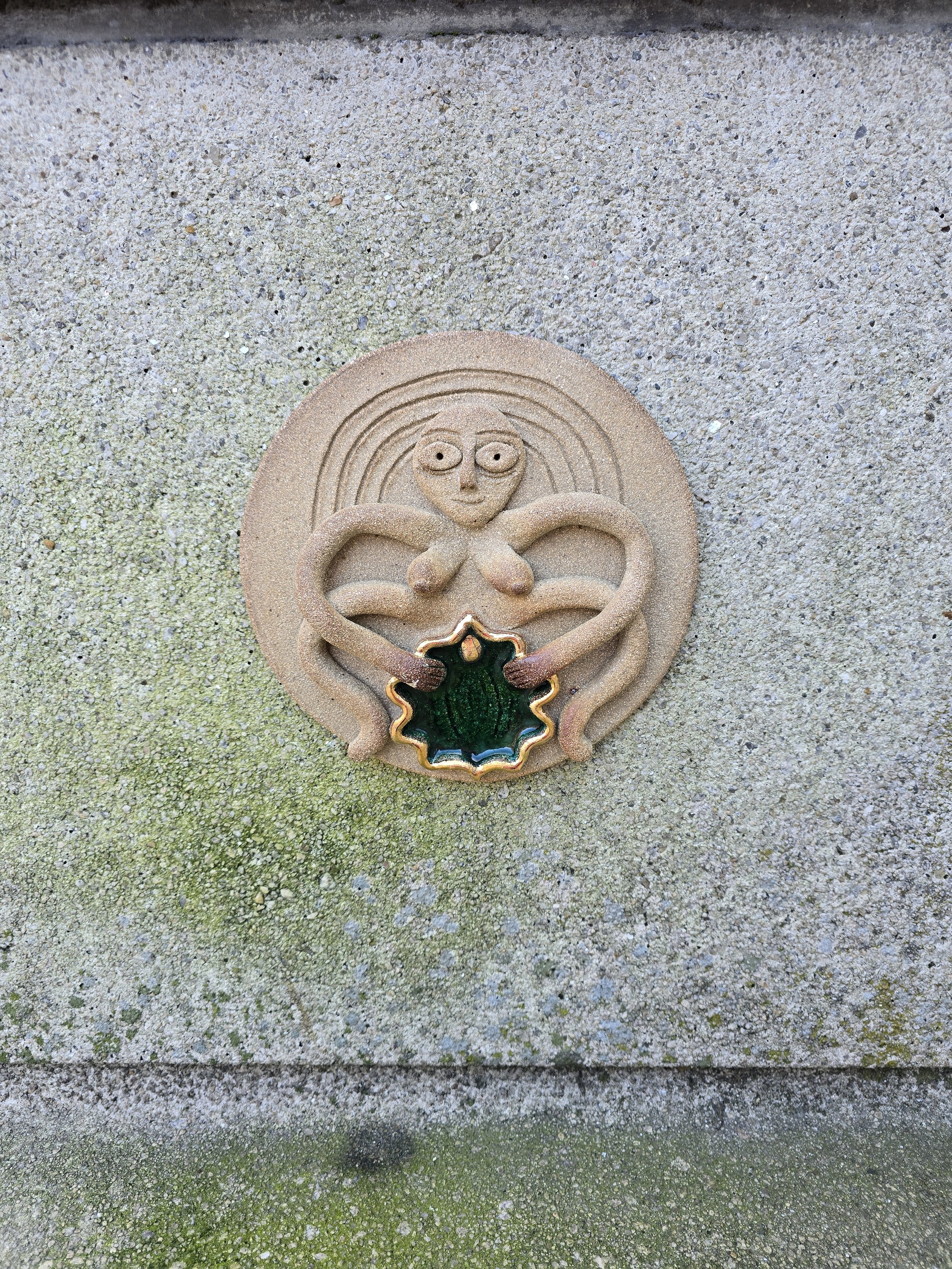
This sheela stands in honour of Margaretta Ruth D'Arcy (14 June 1934 – 23 November 2025) was an Irish actress, writer, playwright and activist, who studied theatre here at Trinity College.
D'Arcy was a founding member of the Irish association of artists, known as Aosdána, from its inauguration and was known for addressing Irish nationalism, civil liberties, and women's rights in her work. In 2014, she was imprisoned for trespassing on a runway during protests over United States military stopovers at Shannon Airport.
D'Arcy was born in Whitechapel, East London on 14 June 1934 to an Irish Catholic father Joseph D'Arcy and an Odesa-born Jewish mother Miriam. After World War II, the family relocated to Dublin while D'Arcy went to boarding school at the Dominican Convent in Cabra. D'Arcy worked in small theatres in Dublin from the age of fifteen and studied Drama at Trinity College Dublin.
In 1957, D'Arcy married English playwright and author John Arden, and they frequently collaborated. The couple settled in Galway in 1968 and established the Galway Theatre Workshop in 1976. The couple had five sons, one of whom predeceased his mother.
The couple wrote a number of stage pieces and improvisational works for amateur and student players, including The Happy Haven (1960) and The Workhouse Donkey. She wrote and produced many plays, including The Non-Stop Connolly Show.
D'Arcy wrote a number of books, including Tell Them Everything, Awkward Corners (with John Arden), and Galway's Pirate Women: A Global Trawl.
In 1961, D'Arcy joined the anti-nuclear Committee of 100, a British direct-action group. Her involvement placed her within a strand of Cold War era protest that rejected both nuclear weapons and conventional parliamentary lobbying in favour of civil disobedience.
In 1981, her peace activism resulted in imprisonment in Armagh Women's Prison after she defaced a wall at the Ulster Museum. During her incarceration, she was held alongside women involved in the Armagh Prison no-wash protest. Her later account of this period documented the treatment of imprisoned republican women and addressed themes of Republicanism, state authority, and political imprisonment.
From the early 1980s onwards, D'Arcy was involved with the peace movement associated with the Greenham Common Women's Peace Camp, which opposed the stationing of US cruise missiles at RAF Greenham Common. She supported and documented the actions of women who engaged in direct action, legal challenges, and sustained protest against nuclear weapons in Britain.
From 1987, she engaged in activism around media access and censorship, including running a women's kitchen pirate radio station from her home in Galway.
During the 2000s, D'Arcy became involved in the Shell to Sea campaign in County Mayo, supporting local opposition to the Corrib gas project. She participated in solidarity actions and protests connected to Rossport, aligning herself with community-based environmental and anti-corporate activism.
In 2010, she became an early signatory to a boycott pledge promoted by the Ireland Palestine Solidarity Campaign, publicly identifying herself with cultural and political opposition to Israeli state policies towards Palestinians.
In 2011, at an Aosdana meeting, D'Arcy refused to stand for a minute's silence in honour of Ronan Kerr, a PSNI officer killed by dissident republicans. She stated that the refusal was deliberate and political. The action generated significant controversy and public criticism, with some commentators interpreting it as tacit support for armed republican groups, an interpretation she did not accept.
In October 2012, alongside Niall Farrell, D'Arcy was arrested after scaling the perimeter fence of Shannon Airport in protest at its use as a stopover for US military flights. She received a suspended sentence. The protest formed part of her long-standing opposition to Irish facilitation of US military operations. She was released after serving nine and a half weeks of the sentence. In 2014, after refusing to sign a bond committing her to avoid unauthorised areas of Shannon Airport, her suspended sentence was reactivated. She served nine and a half weeks in custody at Limerick Prison and the Dóchas Centre at Mountjoy Prison. Following her release, she continued to attend and support the Shannonwatch Peace Vigil and remained publicly active in anti-war campaigning.
In 2024, at the age of 89, D'Arcy ran as an independent candidate in the Galway City Council election. She was encouraged to stand by Sentient Rights Ireland and cited concerns about gender balance, democratic representation, and environmental and animal rights as reasons for her candidacy. She was not elected.
In October 2025, she relinquished an honorary doctorate awarded by the University of Galway in 2022, stating that the decision was a protest against the university's institutional links with Israel. In the same year, she campaigned in support of Catherine Connolly during the 2025 Irish presidential election. President Connolly visited D'Arcy in hospital two weeks before her death. Until shortly before her death, D'Arcy remained active in anti-war organising, including attendance at peace vigils at Shannon Airport and leafleting in support of Ireland's Triple Lock mechanism on overseas military deployment.
Sheela reminds us of the importance and power of resistance and our long history of artist led activism in Ireland. Now more than ever we need more people like Margaretta. Rest in power sister.